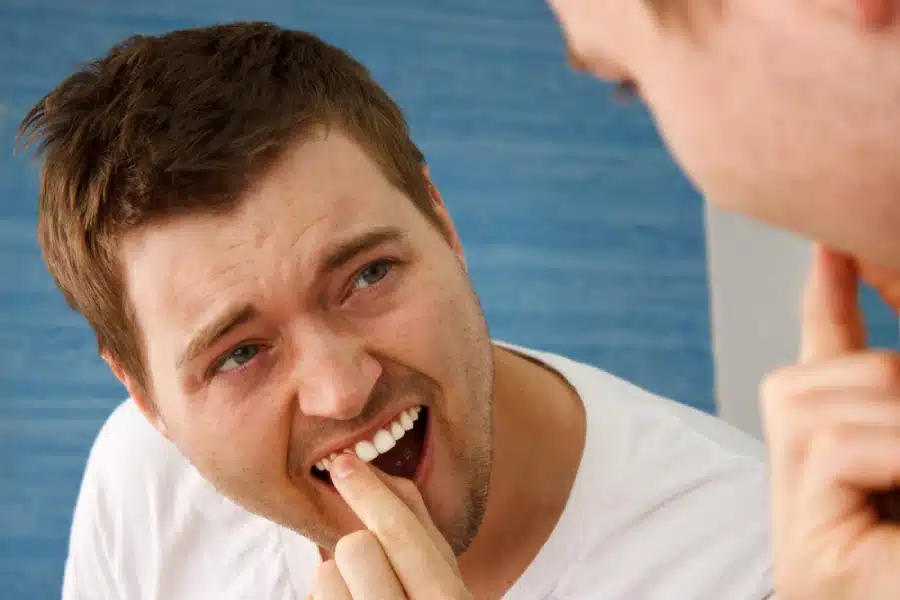
It happens in a split second. A collision on the soccer field, an elbow in a basketball game, a fall off a bike. Your child comes off the field holding their mouth, and when you look, a permanent tooth is visibly loose or pushed out of position.
The next few decisions matter more than most parents expect.
The first thing to understand
A loose baby tooth after an injury is usually less urgent than it feels. The same cannot be said for a permanent tooth. Once the adult teeth are in, there are no replacements. How a loose permanent tooth is handled in the first hour after an injury directly affects whether it can be saved and how it heals.
The instinct is often to wait and see. That instinct is worth reconsidering.
A tooth that’s been moved in its socket has had its supporting ligament partially torn. That ligament, the periodontal ligament, is what keeps the tooth anchored to the bone. It has a limited window for healing before the blood supply is too compromised to support the tooth long-term. Getting to a dental office quickly, rather than waiting a few days to see how it looks, gives the tooth a much better opportunity to re-stabilize.
What to do immediately
Stay calm and assess what’s happened. Is the tooth mobile but still in the socket? Has it been pushed inward or outward from its original position? Is it partially out? Is it fully out and in the child’s hand? Each situation is slightly different, but all of them warrant a call to the dentist now, not in the morning.
Do not wiggle or push the tooth. If it’s still in the socket, even if it’s loose, leave it where it is. Moving it further risks additional damage to the ligament and surrounding bone.
Control any bleeding. A clean cloth or gauze held gently against the area is appropriate. Soft pressure, not hard.
Call the dental office immediately. At True Roots Dental in Stony Plain, the team handles dental emergencies and can advise you over the phone on next steps and urgency.
If the tooth has been knocked completely out
A tooth knocked fully out of the mouth is a dental emergency in the most literal sense. The clock starts the moment it leaves the socket.
Pick the tooth up by the crown, the white visible part. Do not touch the root. Rinse it gently with milk or saline if it’s dirty. Do not scrub it, wrap it in a tissue, or let it dry out. The root surface contains cells from the periodontal ligament that need to stay alive for the tooth to have any chance of being successfully re-implanted.
Store the tooth in milk, or if that’s not available, between the cheek and gum in the child’s own mouth so saliva can keep the root cells moist. Avoid tap water, as it’s not a compatible environment for those cells.
Re-implantation is time-sensitive. Reaching care within 30 minutes gives the tooth a significantly better outlook than waiting an hour or more. This is not a situation for watching and waiting. Head directly to the dental office or emergency care.
What happens at the dental appointment
The Dentist Stony Plain, will assess the tooth and the surrounding bone and gum tissue, which typically involves an X-ray to check whether the root is intact and whether the bone around the socket has been affected. Depending on what’s found, options may include:
- Monitoring a tooth that’s mobile but hasn’t shifted significantly, with instructions on diet and hygiene while it heals
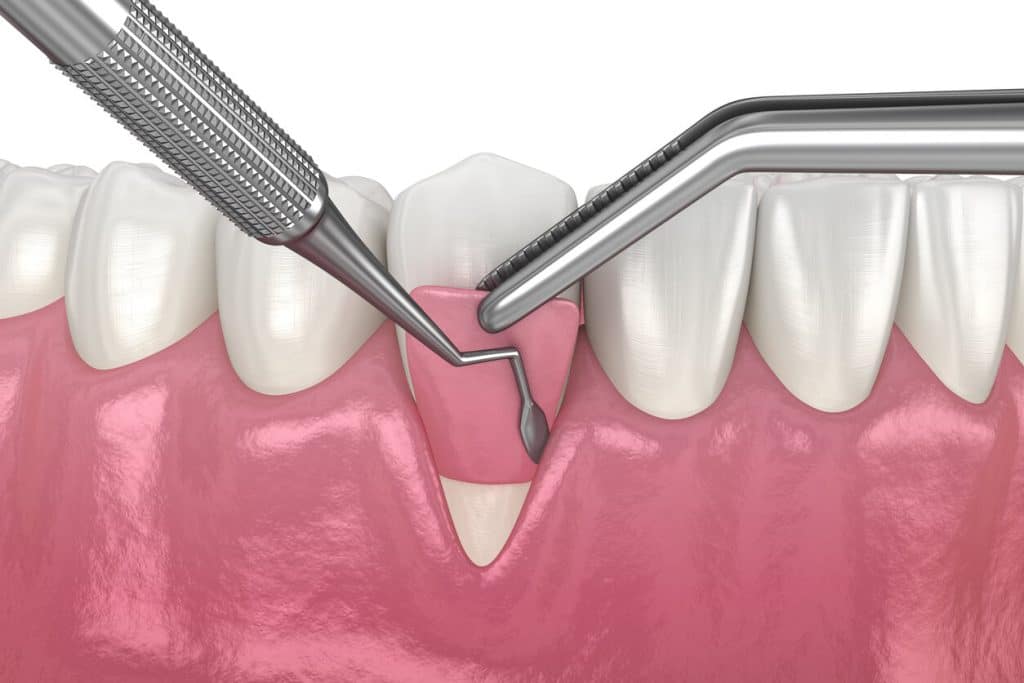
- Repositioning a tooth that’s been pushed out of alignment and splinting it to the adjacent teeth temporarily while the ligament heals
- Re-implanting a tooth that was completely out, if timing and root surface condition allow, followed by splinting
- Root canal therapy in the weeks following the injury, if the nerve doesn’t survive the trauma — this is assessed over time with follow-up appointments
The dentist will also examine the adjacent teeth, gums, and soft tissue of the lips and cheeks. Injuries that produce a visible tooth problem often involve less obvious trauma to surrounding structures that needs to be documented and monitored.
At True Roots Dental, Dr. Rahim Ali and Dr. James Quon see patients for dental emergencies in Stony Plain and surrounding areas including Spruce Grove and Parkland County. The team is experienced working with younger patients, including in situations that are stressful for both the child and the parent. Pediatric dentistry is part of the care offered at the practice.
After the appointment: what parents need to manage
Soft foods are important for several days following a dental injury. Avoid anything that requires biting or chewing on the affected side. Cool foods and drinks can help with swelling, but avoid extremes of temperature. Over-the-counter pain relief is appropriate for the child’s age, following label dosing instructions.
Hold off on contact sports until the dentist gives the all-clear. A tooth healing after trauma is not ready for another impact on the same timeline as a tooth that hasn’t been injured.
One more thing worth saying
If your child plays contact sports regularly, a properly fitted mouthguard is the most practical protection available. Custom mouthguards fit better and protect more effectively than over-the-counter options. Preventing an injury is considerably easier than managing one after it happens.
True Roots Dental | Stony Plain, AB
A dental injury after hours still needs a call, not a wait. Reach True Roots Dental at (780) 963-4885 and the team will walk you through exactly what to do next.
Dr. Ali and Dr. Quon welcome patients from Stony Plain, Spruce Grove, and Parkland County. The clinic accepts the Canadian Dental Care Plan (CDCP) and offers direct billing to most insurance providers. New patients are welcome.